Yoga Poses for Men's Strength
Discover how targeted yoga practices can transform your physical strength, flexibility, and athletic performance. Our comprehensive guide explores evidence-based poses designed specifically for men's muscle development and power.
Why Men Need Yoga for Building Strength
Traditional strength training builds muscle through repetitive loading, but yoga offers a different approach—functional strength through bodyweight resistance, stabilisation, and isometric holds. Men often overlook yoga, assuming it lacks the intensity needed for real strength gains. However, poses like handstand holds, warrior variations, and arm balances activate stabiliser muscles that conventional weights often miss.
Yoga develops eccentric strength (the lowering phase of a movement), which is crucial for injury prevention and muscle control. Additionally, improved flexibility and joint stability from regular practice enhance athletic performance across all sports and reduce the risk of common injuries in the shoulders, lower back, and knees.
Men also benefit from yoga's hormonal effects. Studies show that consistent practice can support healthy testosterone levels, improve sleep quality, and reduce cortisol—all essential factors for muscle growth and recovery. The mindfulness component strengthens mental resilience, helping you maintain consistency in any training programme.
Key Features of Our Strength-Building Approach
Functional Strength Training
Poses that engage multiple muscle groups simultaneously, building real-world strength for everyday activities and sports performance.
Joint Stability & Injury Prevention
Strengthens stabiliser muscles around shoulders, hips, and knees, significantly reducing injury risk and improving movement quality.
Cardiovascular & Metabolic Benefits
Dynamic flows increase heart rate and boost metabolism while building lean muscle, supporting body composition goals.
Mental Resilience & Focus
Mindfulness practices integrated throughout strengthen mental discipline, concentration, and emotional resilience for sustained training.
Enhanced Recovery & Sleep Quality
Restorative poses and breathing techniques improve sleep architecture and promote faster physical recovery between training sessions.
Progressive Skill Development
Structured progression from foundational poses to advanced arm balances and inversions keeps training challenging and engaging.
Visual Guide to Power Poses
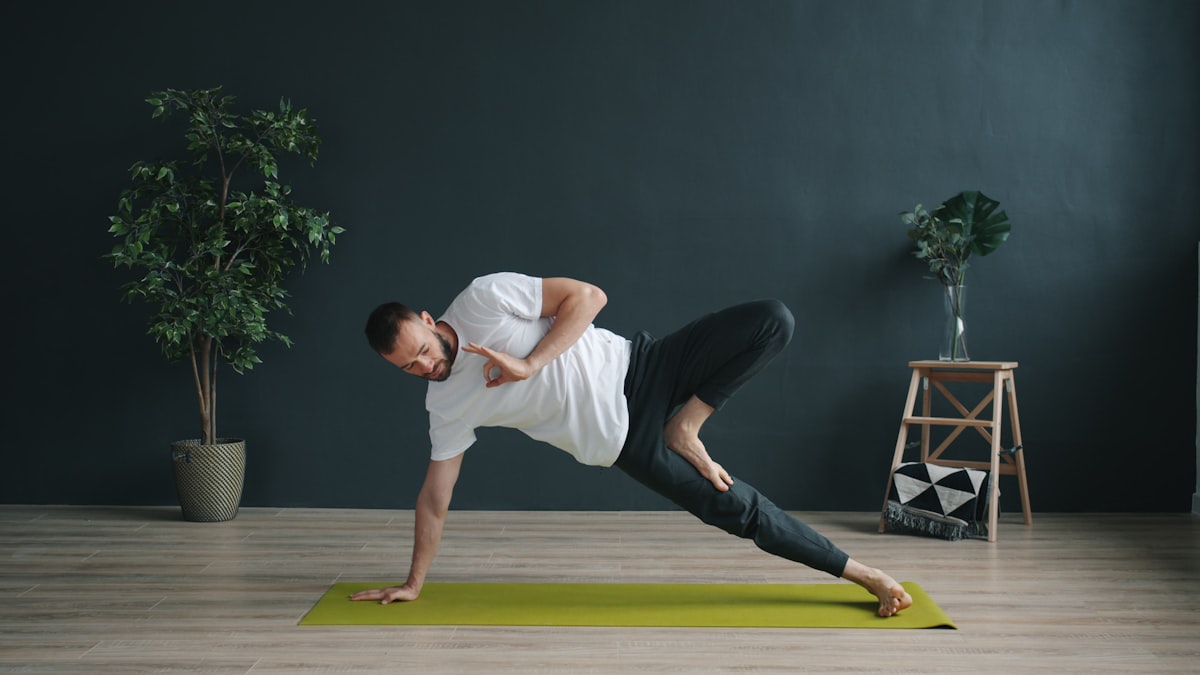
Plank Pose (Phalakasana)
The foundation of all strength work. Builds core endurance, shoulder stability, and wrist strength. Hold for 60-120 seconds with proper spinal alignment.
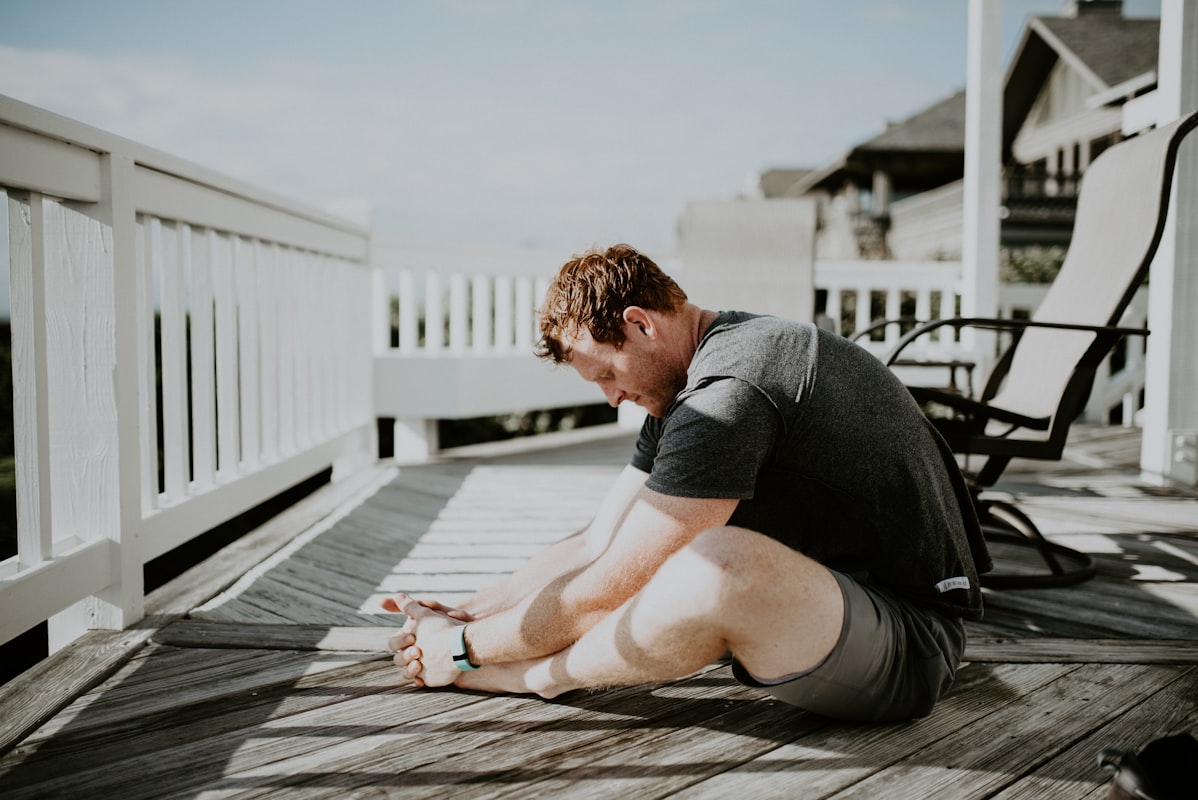
Warrior III (Virabhadrasana III)
Advanced balance pose that strengthens the posterior chain, glutes, hamstrings, and core stabilisers. Enhances proprioception and unilateral strength.
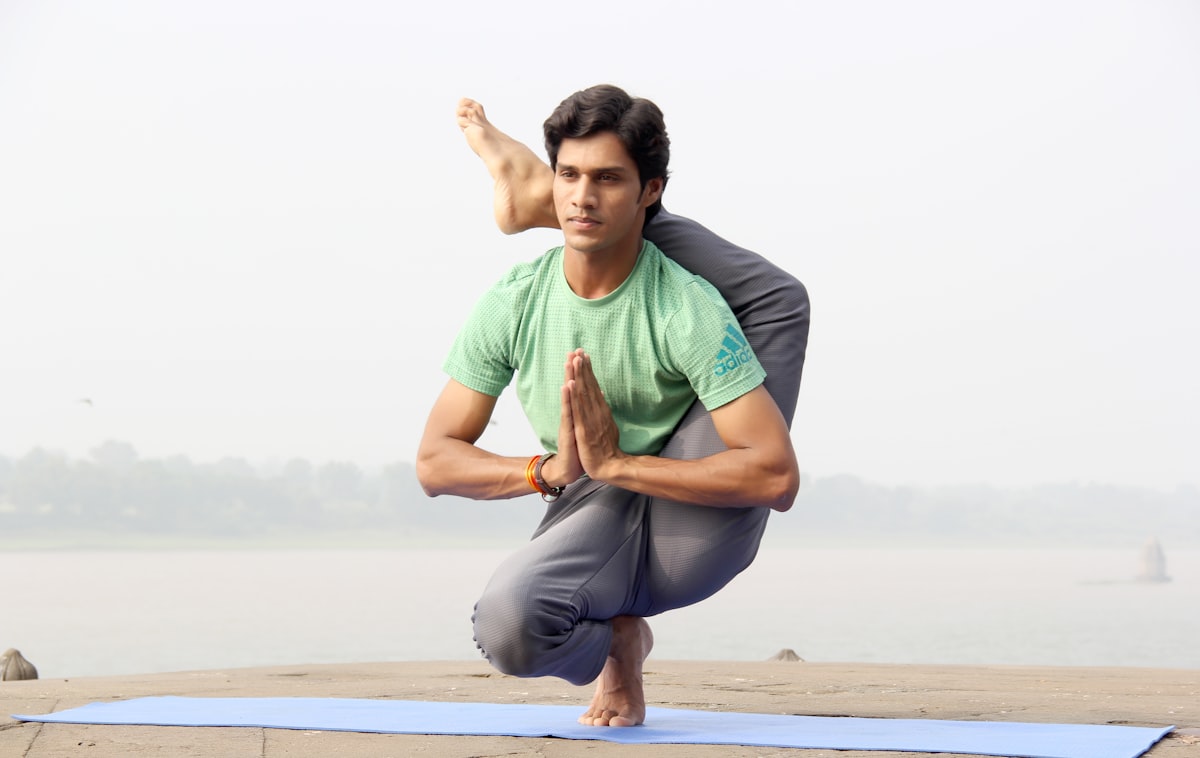
Four-Limbed Staff Pose (Chaturanga)
The yoga equivalent of a push-up. Builds chest, shoulder, triceps, and core strength whilst improving scapular stability and body control.
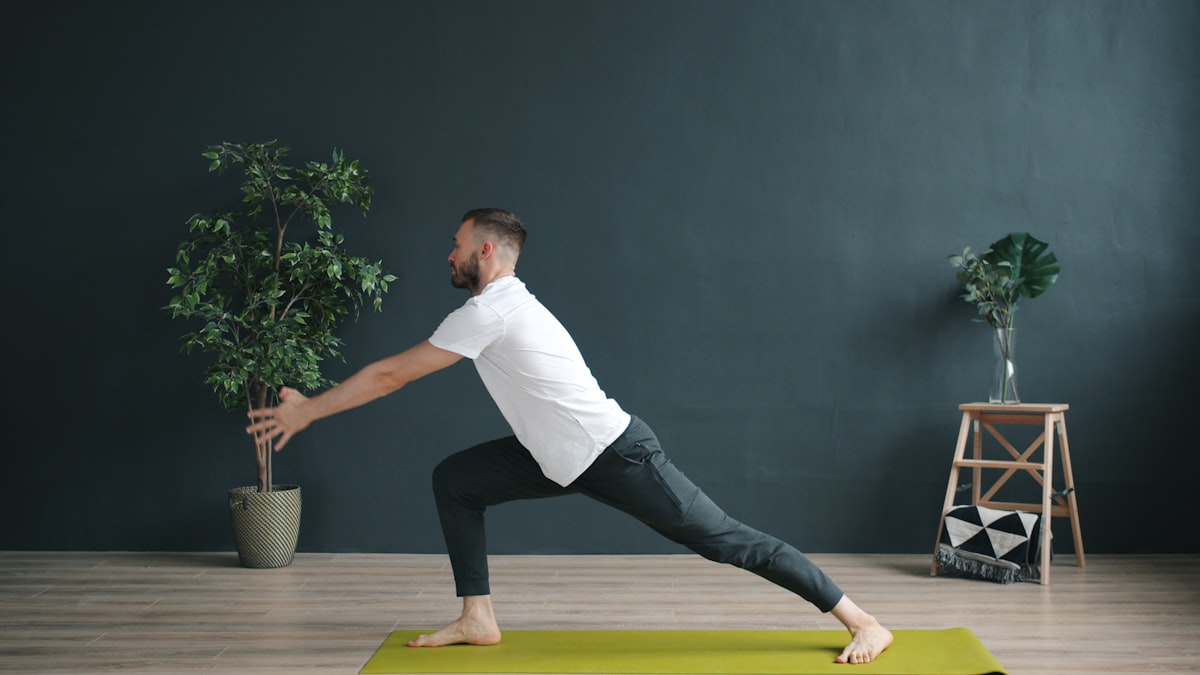
Handstand (Adho Mukha Vrksasana)
Elite-level strength builder. Develops explosive shoulder, core, and wrist strength. Builds confidence, mental fortitude, and requires significant stabilisation work.
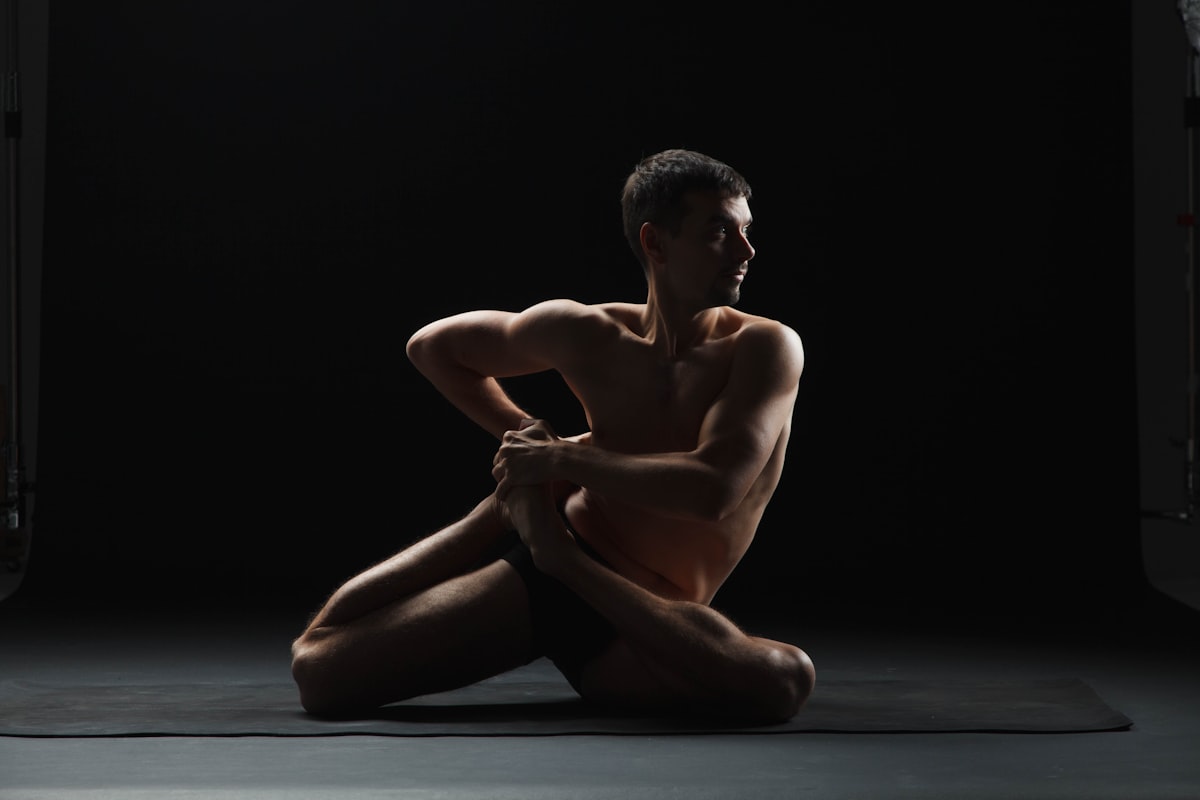
Boat Pose (Navasana)
Intense core strengthener targeting deep abdominal muscles and hip flexors. Improves posture and supports lower back stability during other movements.
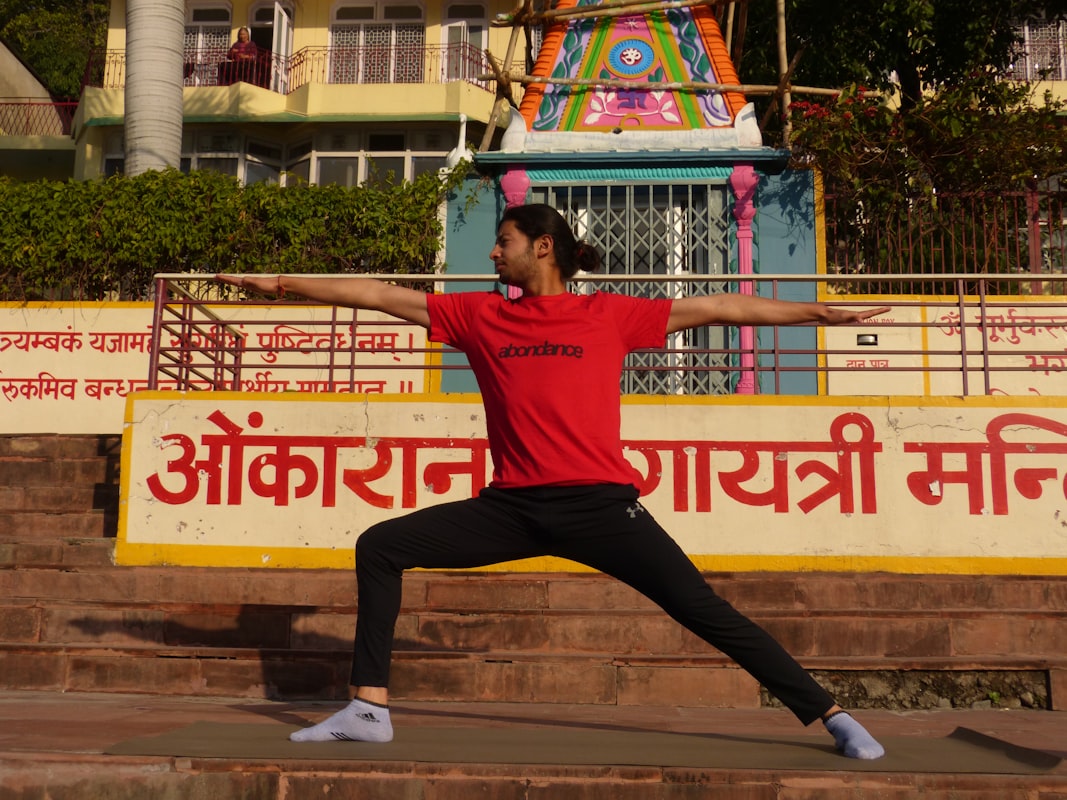
Locust Pose (Salabhasana)
Activates the entire posterior chain: glutes, hamstrings, back extensors, and shoulders. Essential for counteracting desk posture and building functional back strength.
Your 8-Week Strength Building Journey
Weeks 1-2: Foundation & Alignment Mastery
Begin with foundational poses emphasising correct alignment and body awareness. Focus on plank variations, downward dog, warrior I, and basic core work. Practise 3-4 times weekly for 30-45 minutes. Priority is learning proper form to prevent injury and build neuromuscular connections.
Weeks 3-4: Building Endurance & Power
Increase hold durations and introduce longer flow sequences. Add warrior II, warrior III, and boat pose progressions. Incorporate more dynamic vinyasas (flowing sequences). Sessions extend to 45-60 minutes. Begin experiencing first strength gains and improved body awareness.
Weeks 5-6: Advanced Strength & Balance
Introduce advanced poses like handstand holds against a wall, arm balances (crow pose), and longer planks. Challenge single-leg stability with advanced warrior poses. Incorporate props (blocks, straps) to deepen poses safely. Notice significant strength and flexibility improvements.
Weeks 7-8: Integration & Mastery
Create personalised sequences combining all learned poses. Attempt full handstands or advanced arm balances. Integrate breathing techniques (pranayama) and meditation. Develop a sustainable home practice routine. By week 8, you'll have built measurable strength, flexibility, and a solid foundation for continued progress.
Top Poses for Muscle Development
Chaturanga Dandasana (Four-Limbed Staff)
Primary muscles: chest, shoulders, triceps, core. This is yoga's most demanding upper-body strength pose, equivalent to a low push-up hold. Builds explosive pressing strength and shoulder stability essential for all arm balances.
Duration: 30-60 seconds or 5-10 repetitions
Frequency: 2-3 times per session
Progression: Knee chaturangas → full version → one-leg variations
Uttanasana (Standing Forward Fold)
Primary muscles: hamstrings, calves, back extensors. Often underestimated as merely a stretch, but standing with straight legs over extended time builds posterior chain endurance. Improves hip mobility and spinal decompression.
Duration: 1-3 minutes
Frequency: Daily, often at session end
Progression: Bent knees → straight legs → hands to floor → fingertips to floor
Navasana (Boat Pose)
Primary muscles: rectus abdominis, transverse abdominis, hip flexors, obliques. Intense core strengthener with massive demands on deep abdominal muscles. One of the most effective yoga poses for building six-pack definition and core stability.
Duration: 20-60 seconds per hold
Frequency: 3-5 sets, 2-3 times weekly
Progression: Bent knees → straight legs → leg lifts within boat pose
Uttanasana with Shoulder Strain
Primary muscles: shoulders, back extensors, lats. An advanced variation where hands clasp behind the back, pulling shoulders open. Builds shoulder flexibility whilst maintaining hamstring and spinal extension strength gains.
Duration: 1-2 minutes
Frequency: 3-4 times weekly
Progression: Hands to low back → hands overhead → strap assistance for tighter shoulders
Virabhadrasana III (Warrior III)
Primary muscles: glutes, hamstrings, adductors, core stabilisers. One-legged powerhouse that develops unilateral strength and balance. Essential for athletes and builds the gluteal strength needed for explosive movement and hip stability.
Duration: 30-90 seconds per side
Frequency: 3-4 times weekly
Progression: Block support → no blocks → hands in prayer behind back
Salabhasana (Locust Pose)
Primary muscles: erector spinae, glutes, hamstrings, shoulders. Comprehensive posterior chain strengthener that activates muscles rarely targeted in modern training. Builds back strength and improves posture significantly over time.
Duration: 20-60 seconds per hold
Frequency: 3-4 times weekly
Progression: Chest lift → full lift → legs lifted higher → hand position changes
Men Share Their Strength Transformation Stories
"I never thought yoga would build real strength until I committed to a consistent practice. Within 8 weeks, I could hold a handstand for 20 seconds. My shoulders have never felt stronger, and my lower back pain—which has haunted me for years—completely disappeared. The functional strength I've gained transfers directly to my rock climbing and CrossFit performance."
James Mitchell
London, UK — Fitness Enthusiast
"As a middle-aged man, I was sceptical about yoga. I thought it was only for flexibility. But after three months, my core is stronger than ever, I sleep better, and my energy levels are through the roof. The mental clarity I've gained alongside the physical strength has been life-changing. I'm now stronger than I was in my thirties."
David Chen
Manchester, UK — Business Professional
Common Questions About Yoga for Men's Strength
Yes, absolutely. Yoga uses bodyweight resistance, isometric holds, and dynamic movements to build genuine muscle strength. Poses like chaturangas, handstands, and boat pose create significant muscle activation. Research shows that consistent yoga practice increases muscle mass, improves muscular endurance, and enhances functional strength. The advantage over weights is that yoga develops balanced strength, improves joint stability, and increases flexibility simultaneously—something traditional weightlifting often neglects.
For optimal strength development, aim for 3-5 sessions weekly, each lasting 45-60 minutes. This frequency allows your muscles adequate time to repair and grow between sessions. Beginners may start with 3 times weekly and progress to more as their body adapts. Quality matters more than quantity—one focused session beats multiple unfocused ones. Recovery days are crucial; avoid high-intensity yoga on consecutive days to prevent overtraining.
Yes, yoga pairs excellently with other training modalities. Many elite athletes—powerlifters, CrossFit competitors, rugby players—use yoga to improve flexibility, prevent injuries, and enhance recovery. The best approach is to alternate: heavy strength days (weights/rugby) with yoga focus days. This prevents overuse injuries and keeps your body balanced. Yoga acts as active recovery whilst providing its own strength stimulus. Just ensure adequate overall recovery and nutrition to support both training styles.